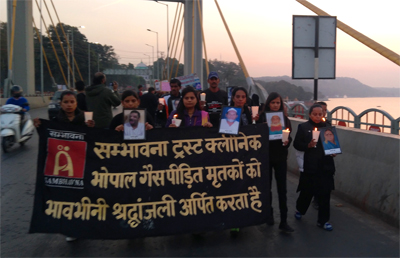
In the years after the Union Carbide Bhopal gas disaster, once the survivors had buried their dead, burned the bodies of their cattle, watched those responsible flee from justice, and received their pitiful compensation, they were to learn that their suffering was far from over.
The water they drew daily from their local wells and pumps - water they relied upon to drink, bathe in, clean their houses and wash their clothes – began, gradually, to turn a yellow-brown colour, and take on a strange chemical smell.
Those who drank it started to develop new symptoms, including skin problems, headaches, nausea, and stomach pain. Local people around the factory site began to abandon the worst-affected wells and mark the pumps with red paint to indicate they were no longer safe to drink from. Demand for water from the remaining water sources became unsustainable, and soon communities were forced to make the hard choice of who would receive clean water first. Priority went to those already sick from Carbide’s gas, children, and pregnant women, with many others left only with water they now knew to be contaminated.
A study undertaken by Greenpeace in 1999, 15 years after the leak, identified heavy metals and organochlorides from the factory site had seeped into the soil and entered the water supply.
By 2006, many residents were still without clean water. In March that year, 46 Bhopal residents, 39 of them gas survivors, walked the 800km distance from Bhopal to Delhi to demand clean water, justice, and a life with dignity.
The Government did begin, finally, to act on their demands, and in the following years new tanks and taps were supplied to many neighbourhoods. Yet today, nearly 41 years after the disaster, some residents are still fighting for proper infrastructure and clean water. For thousands of people, every fresh drop of water is a blessing earned solely by the tireless efforts of their families and friends over 41 years of struggle.
Our Sambhavna and Chingari clinics are the only places in Bhopal offering free first-class healthcare to gas and water affected survivors. To donate and support their work, visit www.bhopal.org/donate
#bhopal41 #waterpollution